
Karmelo Anthony
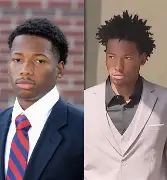
An Open Letter to Karmelo Anthony
Dear Karmelo Anthony,
For generations, Black Americans have lived with a complicated relationship with the American justice system. From the days of Jim Crow and racial segregation to modern debates surrounding sentencing disparities, policing, and unequal treatment under the law, many families have carried a deep concern that justice is not always applied equally. Whether those concerns are acknowledged or dismissed, they remain a part of our nation’s history.
Your case has stirred those emotions once again.
To many observers, this verdict is not viewed in isolation. It is seen through the lens of generations who have witnessed young Black men judged more harshly, portrayed more negatively, and afforded less grace than others in similar circumstances. Right or wrong, that perception exists because it has been shaped by decades of lived experience, historical reality, and highly publicized examples that have left lasting scars on communities across America.
The outrage surrounding your case is about more than a courtroom decision. It is about a growing belief among many that equal justice remains an unfinished promise. It is about parents who look at their sons and wonder whether they will receive the same presumption of innocence, the same understanding, and the same opportunity to be viewed as fully human when they find themselves in difficult circumstances.
Many people believe that the story surrounding your case was shaped long before a verdict was rendered. They question whether public narratives, media coverage, stereotypes, and assumptions influenced how the public viewed you. They wonder whether society is still too quick to assign guilt, danger, or criminality based on race and appearance rather than the totality of the facts.
History teaches us that justice systems are not infallible. Some of the most celebrated civil rights victories in American history were achieved because ordinary people were willing to challenge decisions that were once accepted as lawful and proper. Progress has often come from citizens who refused to remain silent when they believed fairness had been compromised.
Whether one agrees with every aspect of your case or not, many Americans see in your story a reflection of larger concerns that extend far beyond a single courtroom. They see questions about race, equality, accountability, and the ongoing struggle to ensure that justice is truly blind.
The pursuit of justice has always required courage—not only from those who stand accused, but also from those willing to question systems, challenge assumptions, and demand that the promise of equal treatment under the law be more than words on paper.
For those who believe this verdict was unjust, the conversation does not end with a court decision. It continues in communities, churches, classrooms, homes, and public forums where people wrestle with what justice should look like in America.
History will ultimately judge not only the outcome of individual cases, but whether we had the courage to confront difficult questions when they arose.
Respectfully,
A Concerned Citizen