
George Stinney Jr.
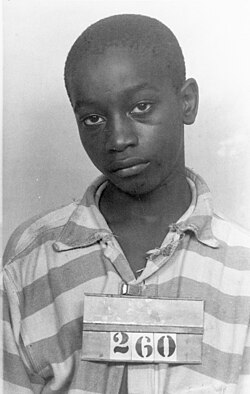
An Open Letter to George Stinney Jr.
Dear George,
We owe you an apology.
Not because an apology can undo what was done to you. Not because words can restore the childhood that was stolen from you. Not because they can erase the fear you must have felt in your final days. But because the truth demands that we acknowledge a profound failure—one that belongs not only to a courtroom, but to a nation.
You were just a child.
At fourteen years old, you should have been worried about school, family, friends, and the ordinary challenges of growing up. Instead, you found yourself caught in a system that saw you not as a child deserving of protection, but as someone to be judged, condemned, and ultimately executed.
For decades, your name stood as a painful reminder of how justice can fail when prejudice, fear, and indifference are allowed to outweigh fairness and truth.
We are sorry.
We are sorry that the adults entrusted with protecting your rights failed to do so.
We are sorry that the legal system moved faster than justice.
We are sorry that your youth was ignored.
We are sorry that your voice was never truly heard.
We are sorry that your family was forced to endure a grief made even heavier by the knowledge that the process itself was deeply flawed.
For years, many people knew your story. They knew that questions remained unanswered. They knew that concerns existed about the fairness of your trial. Yet it took decades for the world to formally recognize what should have been obvious from the beginning: that you had been denied the basic protections that every person deserves.
When your conviction was finally vacated many years later, it was an important step toward the truth. But even that could not give back what had been taken from you. It could not return your life. It could not restore the opportunities you never had. It could not allow you to grow into the man you might have become.
Your story forces us to confront uncomfortable truths about our history. It reminds us that justice is not guaranteed simply because a courtroom exists. Justice requires courage. It requires fairness. It requires a willingness to see the humanity in every person, regardless of race, age, background, or circumstance.
Too often, our nation has fallen short of that standard.
Your life challenges us to do better.
To ensure that no child is denied due process.
To ensure that prejudice never replaces evidence.
To ensure that power is never valued more than truth.
To ensure that future generations inherit a justice system worthy of its name.
George, there are wrongs so great that they cannot be fully repaired. Yours is one of them. Yet your memory endures because people continue to tell your story, study your case, and learn from the injustice that occurred.
May we never forget what happened to you.
May we never become comfortable with injustice simply because it is old.
May we never stop striving for a society where fairness is not determined by race, status, or circumstance.
And may we honor your memory not only with words, but with a commitment to ensuring that what happened to you never happens again.
Rest peacefully, George.
We remember.
We mourn.
And we are sorry.
With humility and remembrance,
A Nation Still Seeking Justice